
Last updated on April 18, 2026 by Shannon
After nearly 10 months of constant movement on my round-the-world trip, Amsterdam is where I finally slowed down.
The weeks leading up to it—zig-zagging through Europe—had already shifted how I was traveling. I stopped trying to “see everything” and started looking for places where I could stay longer, cook my own meals, and settle into a rhythm.
Amsterdam turned out to be exactly that place.
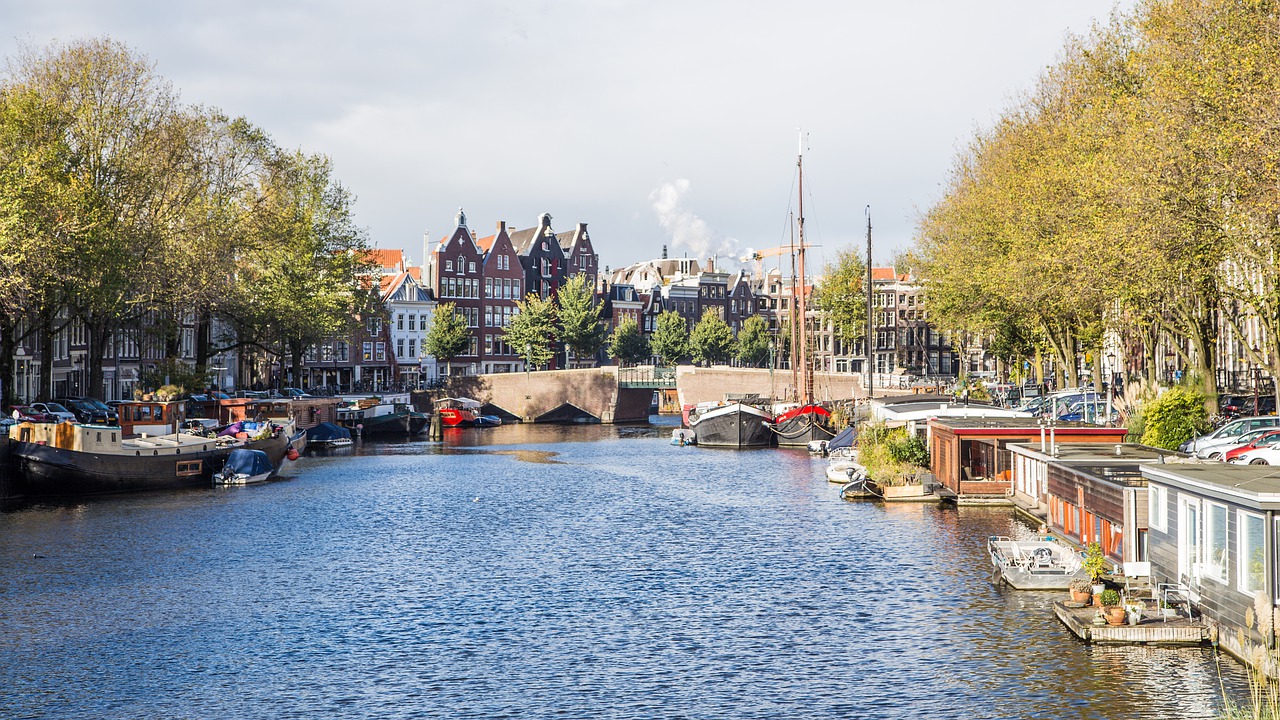
Through a bit of luck (and a very well-timed connection), I landed a housesit—my only responsibility was feeding a cat. In return, I had a local apartment, a bike, and the rare chance to experience Amsterdam beyond a quick weekend visit.
And that changed everything.
Yes, there are plenty of obvious things to do in Amsterdam—museums, canal cruises, the postcard sights. But the city really opened up when I stopped moving like a tourist and started living in it, even briefly.
If you’re short on time, you can jump to the highlights. But if you want Amsterdam to feel like a place instead of a checklist, this is how I’d approach it.
Slowing Down (and Finally Staying Put)

Getting to Amsterdam wasn’t particularly smooth.
I’d been in Český Krumlov—a charming place that quietly pulled me in—and stayed far longer than planned. I filled my days with riverside walks, good food, and just enough structure to lose track of time.
When it was finally time to leave, I booked a flight instead of a train. Last-minute train tickets across Europe are surprisingly expensive, and the difference was enough to matter (€50 flight vs. ~€135 train).
Then I realized I’d booked the wrong day.
It wasn’t a disaster—just an extra night—but it was a good reminder of how tiring the constant logistics had become. By the time I arrived in Amsterdam, I wasn’t looking for another fast-paced stop.
I was ready to stay still.
And that’s what made the housesit such a turning point. For the first time in months, I wasn’t planning my next move—I was settling into one place, biking to the market, cooking simple meals, and letting the city unfold more slowly.
How to Experience Amsterdam Beyond the Highlights

Staying in one place—even for a week—changed how I experienced Amsterdam.
Instead of structuring my days around tickets and time slots, I started noticing the smaller rhythms of the city. I’d bike across town for something simple, stop at a market because it looked good, and end up spending the afternoon in the park without planning to.
It wasn’t that I stopped seeing things—I still made it to the museums and wandered the central canals—but they stopped being the focus of the day.
What stuck with me instead were the in-between moments: the short rides through quiet streets, the feeling of figuring out the bike lanes (and occasionally getting it wrong), picking up food I hadn’t planned on buying, and slowly recognizing parts of the city instead of constantly orienting myself.
That’s the shift I’d try to recreate, even on a shorter trip.
Not by doing less, necessarily, but by leaving just enough space for the day to unfold a bit on its own.
Get Comfortable on a Bike (But Respect the Rules)

Amsterdam runs on bikes.
I had a beat-up old one from the housesit, and within a couple of days it became the way I experienced everything—museums, markets, random neighborhoods I never would have reached on foot.
At first, it felt chaotic. Locals move fast, and they assume you know what you’re doing.
You probably won’t.
But the system works once you settle into it.
What I learned quickly about biking (and sometimes the hard way):

- Stay in the bike lanes—they’re usually red and clearly marked
- Ride with traffic, on the right
- Use hand signals when turning
- Trams always have priority—don’t try to beat them
- Don’t stop suddenly in a bike lane unless you want a chorus of bells behind you
The first day or two, I stuck to quieter streets just to get comfortable. After that, it clicked—and biking became the easiest, fastest way to move through the city.
One thing I didn’t expect: how serious people are about locking their bikes. The one I used came with multiple locks, and I used all of them every time. Bike theft is common enough that no one takes shortcuts on that.
If you’re comfortable on a bike, rent one. It changes how the city feels.
If you’re not, that’s fine too—Amsterdam is still easy to navigate. But you’ll understand it differently from the saddle.
Shop the Markets (Even If You Don’t Cook)


One of the quiet resets of Amsterdam for me was how easy it was to eat well without planning much at all.
Because I had a kitchen, I fell into a simple rhythm: bike to a market, buy whatever looked good, and figure out meals later. After months of hostel food and eating out, it felt surprisingly grounding.
I was there in late July, and red currants were everywhere. I bought them so often they became part of the memory—on yogurt in the morning, alongside whatever else I picked up that day. Tomatoes, zucchini, beans, fresh bread, a chunk of cheese that felt a little too expensive but never disappointing.
Nothing fancy, just good ingredients and a slower pace.

Even if you’re not cooking, markets are still one of the easiest ways to shift how the city feels.
- grab fruit or something simple for the day
- build a picnic instead of another restaurant meal
- linger a bit and watch how people actually shop
If you want a starting point:
- Noordermarkt — smaller, more local feel
- Albert Cuyp Market — bigger, busier, more variety
I stopped treating markets as something to “see” and started using them to shape the day—pick up food in the morning, add to it later, and end up in the park without ever really planning to.
It’s a small shift, but it made Amsterdam feel less like a place I was passing through and more like somewhere I was briefly living.
Choose Fewer Museums—And Spend More Time in Them

Amsterdam has more museums than most people have time—or energy—for.
I tried to do too many at first. They blurred together quickly, especially after months of travel.
What worked better was choosing a couple and slowing down.
These are the three I’d prioritize:
Van Gogh Museum
I’d been before, and it still held up. What makes it work is how clearly it walks you through his life—you can actually follow the shifts in his style and mood instead of just looking at paintings in isolation.
I didn’t rush it. I’d stop at a few pieces that caught me and linger, then move on. There’s also a section on conservation and authentication that pulled me in more than I expected—it made the whole thing feel less like a highlight reel and more like a process.
Rijksmuseum
This is the one I’d recommend to almost anyone.
It’s not just paintings, which helps. I remember being pulled in by the silverwork and decorative pieces as much as the big-name art—they break up the experience in a way that keeps you from burning out.
I went more than once, and never tried to “finish” it. I’d wander, stop when something caught my attention, and leave when I’d had enough. That approach worked far better than trying to power through.

Anne Frank House
This one is different.
It’s not about enjoyment—it’s grounding. Walking through the space where Anne Frank and her family hid shifts the tone of your time in Amsterdam in a way that stays with you.
I’d book this first and plan around it. Tickets are limited, and it’s not something you want to leave to chance.
What changed for me here was letting go of the idea that I needed to see everything.
I’d rather spend 10 minutes with something that actually holds my attention than rush past dozens of things just to say I saw them.
That shift made the museums—and honestly the whole city—feel much more human.
Slow Down in the Park (and Actually Take a Break)

At some point in Amsterdam, I realized the best thing I could do was stop.
Not because I’d seen everything—but because the city felt better when I left space for nothing in particular.
For me, that usually meant heading to Vondelpark with a bag of food and no plan.
I fell into a routine I repeated more than once: bike over, lock up (properly—always properly), and duck into a nearby shop for whatever looked good. Bread, a piece of cheese I didn’t recognize, fruit, sometimes a bottle of wine. Nothing curated—just enough for an easy afternoon.
Then I’d find a spot on the grass and stay longer than intended.
That was the shift. After months of moving quickly, this was one of the first places I gave myself permission to spend an entire afternoon doing very little—reading, people-watching, and letting the day pass without trying to make it productive.

A couple of things that are helpful to know:
- Picnicking is completely normal—you won’t feel out of place
- The park sits right next to Museumplein, so it’s easy to pair with a museum without overpacking your day
- Keep it low-key if you bring wine—people do, but it’s not something to make a scene about
If you only have a couple of days, this might feel like a luxury.
It’s not.
Even a couple of unstructured hours here will likely stick with you more than squeezing in one more thing.
The Few Things That Actually Make a Difference

This isn’t a full list—just the things I’d make sure I got right.
Book the Anne Frank House first.

This is the only thing I’d lock in ahead of time. Tickets are released in batches (typically six weeks ahead) and sell out quickly, especially in high season. Book this before anything else and choose a morning slot if possible—it sets a meaningful tone for the day and avoids peak crowds
If it’s on your list, book it early and plan your day around it. Everything else in Amsterdam is flexible.
Do one canal cruise—but pick the right one.
It’s touristy, but I’m still glad I did it.
What made the difference:
- smaller boat over a large one
- evening light over midday
You’ll see the canals all day from the street, but being on the water gives you a different sense of the city.
This 75-minute canal cruise costs under $20 per person while this cheese-and-wine canal cruise is also great and only costs a few dollars more.

Wander Jordaan without a plan.
This is where the city slowed down for me.
I didn’t try to “see” anything here—I just walked, turned down whatever street looked interesting, and stopped when something caught my attention.
If your trip starts to feel rushed, this is where I’d reset it.
- Don’t map out stops—just walk
- Detour down any street that looks interesting
- Pause when something catches your eye instead of pushing through
See a windmill the easy way.

It’s one of those things that feels essential—but it doesn’t need to take over your day.
If you’re short on time, just head to De Gooyer Windmill. It’s right in the city and easy to pair with other plans. With more time, book the full-day, more impressive: Kinderdijk—a UNESCO site with 19 windmills.
Skip the Red Light District at night unless you’re specifically curious.

I walked through it, and honestly, it’s not something I’d prioritize unless you’re intentionally interested.
Daytime feels like part of the city. At night, it’s crowded and more spectacle than anything else.
If you go, be respectful—no photos, no gawking.
If you’re traveling with kids or just not that interested, you’re not missing anything essential by skipping it.

Don’t try to “complete” Amsterdam.
This is the one that matters most.
I could have filled every hour—more museums, more neighborhoods, more day trips. But the parts I remember most weren’t the packed days.
It was:
- biking without a destination
- stopping somewhere I hadn’t planned
- an afternoon in the park that stretched longer than expected
If you’ve done a few key things and left space for the rest, you’ve done it right.
Amsterdam has a lot of niche museums—I deeply enjoyed the Moco Museum—but it’s easy to overbook yourself on a short trip.
A Simple 2–3 Day Amsterdam Plan (Without Overplanning)
If you only have a couple of days in Amsterdam, I wouldn’t try to do everything—you just need the right mix.
For a 2-day trip, make sure you:
- book the Anne Frank House ahead of time
- pick one major museum (either Rijksmuseum or Van Gogh Museum)
- wander Jordaan without a plan
- take a canal cruise in the evening
- leave space for a slow stretch—usually in Vondelpark
That combination gave me history, culture, and just enough breathing room to actually enjoy it.
For a 3-day trip, don’t add much—just give everything more space:
- added a second museum when you feel like it
- stop at a market and build part of the day around it (like a picnic in the park)
- and consider a quick stop at De Gooyer Windmill
Beyond that, try not to keep stacking things.
Amsterdam is easy to fill, but it’s just as easy to overfill. The moments that stuck with me weren’t the ones I planned tightly—they were the ones where I had time to wander, linger, or change direction halfway through the day.
If you leave a little room for that, the city feels completely different.
Practical Tips for Visiting Amsterdam
The only thing I’d book ahead is the Anne Frank House—everything else I figured out as I went.
I didn’t expect how busy summer would feel, though. If you’re coming then, book your accommodation early. The good, well-located places go fast.
Where I’d stay next time:
- Jordaan — my favorite. Quiet, central, and it actually feels like you’re staying in the city, not just visiting it
- De Pijp — a bit more energy and great food, still local
- Museumplein — easiest if it’s your first trip and you want everything close
I’d stay inside or near the canal ring if possible—it makes the whole trip smoother.
Getting around is easier than you expect.
I mostly biked, but on days I didn’t feel like it, walking and trams worked just as well. I never really needed Uber.
A few small things that made a difference:
- I learned quickly not to walk in bike lanes—you’ll hear about it
- I locked my bike every time, no exceptions
- I kept my plans loose, which ended up being the best decision of the trip
- Be sure you packed a European plug adapter (Type C/F)—it’s a photogenic place
- Use the Rick Steves Amsterdam & Netherlands if you love a good guidebook to help understand the history of each thing you visit.
Amsterdam is relaxed, but it runs on its own rhythm. Once I stopped trying to control the day too much and just moved through it, everything clicked a bit more.