
Last updated on August 2, 2025 by Shannon
What makes someone leave behind comfort, routine, and stability to chase experiences across the globe?
For years, I didn’t have a clear answer. I just knew I deeply loved moving around the world—always visiting new places and eventually settling in Spain in 2018.
Then I stumbled on something intriguing: scientists have linked wanderlust to a real genetic trait.

What is the Wanderlust Gene?
It’s called DRD4-7R, and it’s a variant of a dopamine receptor gene. Researches have loosely tied this gene to traits like novelty-seeking, risk-taking, and curiosity about the world. The travel aspect: Those with the gene may crave new experiences more intensely than others.

Only about 20% of the population carries this genetic mutation. This means that while some people (me) have an insatiable desire to travel, others are perfectly content staying close to home (my bestie).
Of course, this isn’t a full explanation for anyone’s wanderlust. But it does make me wonder if a desire to roam is wired into our biology. Only about 20% of the population carries this genetic mutation—but the wanderlust gene actually varies across different populations. Migratory people tend to have a higher proportion of the DRD4-7R variant compared to those who stay closer to their origins.

And that tracks with the fact that the gene is found most prominently in descendants of Europeans—who went on to explore, colonize, and spread across North and South America.
Why did this trait stick around? It may have provided an evolutionary advantage to early humans, and now it just makes for a more fun human being. :)
Why It Resonated With Me

Something clicked when I read about the gene. I dreamed of traveling as a teen, researched going to college out of state (but couldn’t pass up a full-ride to a state school), and moved to LA as soon as I graduated from university.
Then, I left the U.S. in 2008 with a one-way ticket and no clear return plan. I told myself it would be a year-long break. Decades later, travel is still at the core of how I live.
Despite controversy surrounding the idea of a “wanderlust gene,” it’s clear that I fall into the category of those with a deep-seated desire to immerse in new cultures, try new foods, and meet new people.
Signs You Have the Wanderlust Gene

Some have suggested that the gene may be responsible for the rise of tourism and travel as a global industry—as travel has become increasingly accessible and affordable, more people are seeking out new experiences and adventure.
Since genetic testing will run you upwards of $50 to test if you actually have this gene variant, it’s more fun to look at some of the traits that might manifest in your own life if you’re a frequent traveler.

Each of these aspects is more than just a quirky trait; it’s a watermark on your soul, proof of your wanderlust gene.
- 🗺️ You trace journeys on maps, not just itineraries. I’m just as likely to hang a beautiful map on my wall as I am travel photos. Maps hold stories, and the world’s too big to tell just one story.
- 🗣️ You speak the language of many lands. Fluency isn’t the goal—connection is. I always learn “hello,” “thank you,” and “goodbye,” no matter how obscure the language. In Nepal, my hiking guide on the Annapurna circuit taught me folk songs just to help me survive the climbs—I still know them 15 years later.

- 🎶 Your playlist is a passport. Every song takes you back—to Fraser Island, where we road-tripped and traded Spotify DJ duties, or to that one Danish track I still associate with couchsurfing in Melbourne.
- 🍲 You taste the world, even when it’s tricky. Being a vegetarian in Vietnam was no small feat, but food is culture—so I figured it out. I’ve eaten street food in Myanmar without knowing a word of the language and devoured bureks in Bosnia with sour yogurt on the side. If it’s edible and local, I’m trying it.

- ✈️ You find magic in airports. I don’t run to the gate—I arrive hours early. Coffee in hand, I dive into research, books, or random convos with strangers. Airports are my jam.
- 🔍 You travel with questions, not just cameras. When I landed in Tokyo, everything felt unfamiliar — and I loved it. I wasn’t just sightseeing, I was decoding culture. Why do homes in Burano shine in neon colors? Why are hammams central to Turkish life? If that sounds like your kind of trip, you know the feeling.

- 🌱 You travel as a force for good. In Kenya, I stayed with the Maji Moto Cultural Camp—a social enterprise fighting FGM and supporting girls’ education. Travel like that doesn’t just satisfy wanderlust, it helps build a better world.

Nature, Nurture, or Something Else?

Whether or not you believe in the wanderlust gene, it’s clear some people feel more comfortable staying in one spot, while others thrive on the road. Maybe it’s a mix of biology, upbringing, and lived experience.
Some travelers are chasing novelty. Others are healing, searching, learning, or connecting. Whatever drives us, that curiosity—that urge to see more—is powerful.
How the Gene Influences Behavior

People with the wanderlust gene may be more likely to engage in travel and exploration, but genetics alone does not determine behavior. Environmental factors, such as upbringing, life experiences, and your eventual life partner or close friends also play a significant role in shaping behavior.
“One of the core five personality traits many people identify across the world is openness to experience,” says Adam Galinksy of Columbia Business School. “And that is both a trait that increases the probability people are likely to go abroad and the likelihood of whether they’ll benefit from those experiences.”
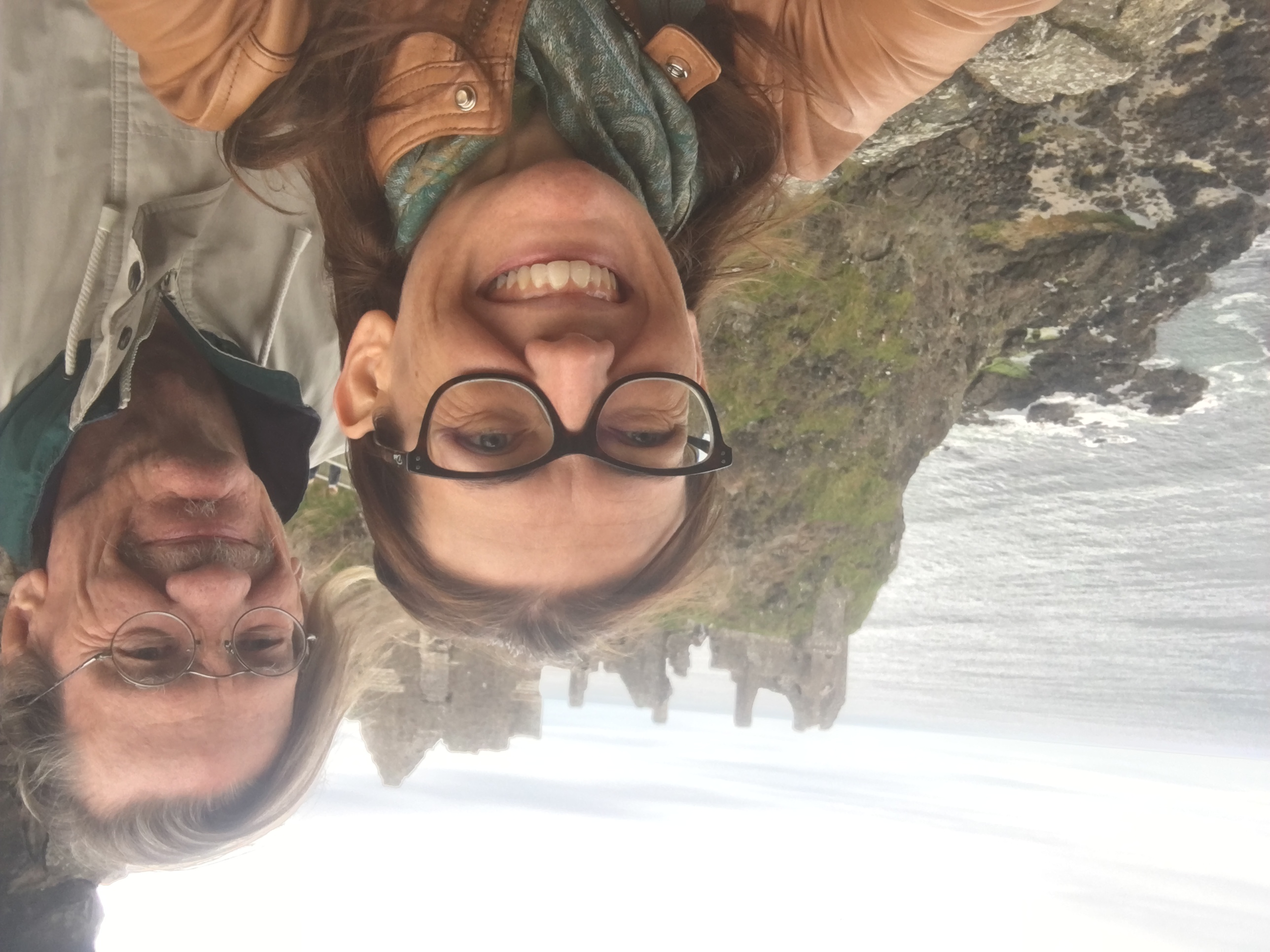
The fact is, the presence of the wanderlust gene may make you more susceptible to the influence of environmental factors that encourage travel and exploration. If your parents exposed you to travel young, you could have caught the travel bug from them.

Or if your college roommate saves every penny to travel—or convinces you to study abroad, these are all factors that could make someone with the wanderlust gene fall in love with traveling.

Planning Your travels
If you’re in the early stages of planning your travels, the following resources should help.
Dreaming of Travel » Letter to Travel Dreamers | How Do You Make Big Decisions? | Why I Decided to Travel the World | Creating Transformative Travel Experiences | The Best Travel Books
Affording Travel » How to Save for World Travel | How Much Does it Cost to Travel the World | Best Credit and Debit Cards for Travel | Using Geoarbitrage to Live Abroad | How to Work Remotely
Planning Travel » Plan Your World Travel Itinerary | Pack for Long-Term Travel | Homeschooling While Traveling | How to Purge Everything You Own | How to Pick the Right RTW Backpack | Buying RTW Flights
Staying Healthy » Safety and Solo Female Travel | How to Pick the Right Travel Insurance| Travel Vaccines 101 | How to Stay Healthy Abroad