
Last updated on May 29, 2026 by Shannon

The resilience of the Georgian spirit shapes my favorite aspects of traveling there. Throughout history, this tiny country has offered the world everything from cowboys to wine. It remains one of the most unexpectedly lovely countries I’ve encountered on my travels.
I spent most of my time in the capital, Tbilisi, and the city won me over with subtle charms and gentle nudges. On cool evenings, the smell of sulfur baths and cigarette smoke drifted through parts of Old Town while church bells echoed from the hills above the city.
One of the key reasons travelers head to Georgia is its location in the Caucasus Mountains, which means excellent hiking in spring and fall, plus skiing in winter. But beyond the mountains—which are stunning—the people of Georgia are wonderfully welcoming and hospitable.
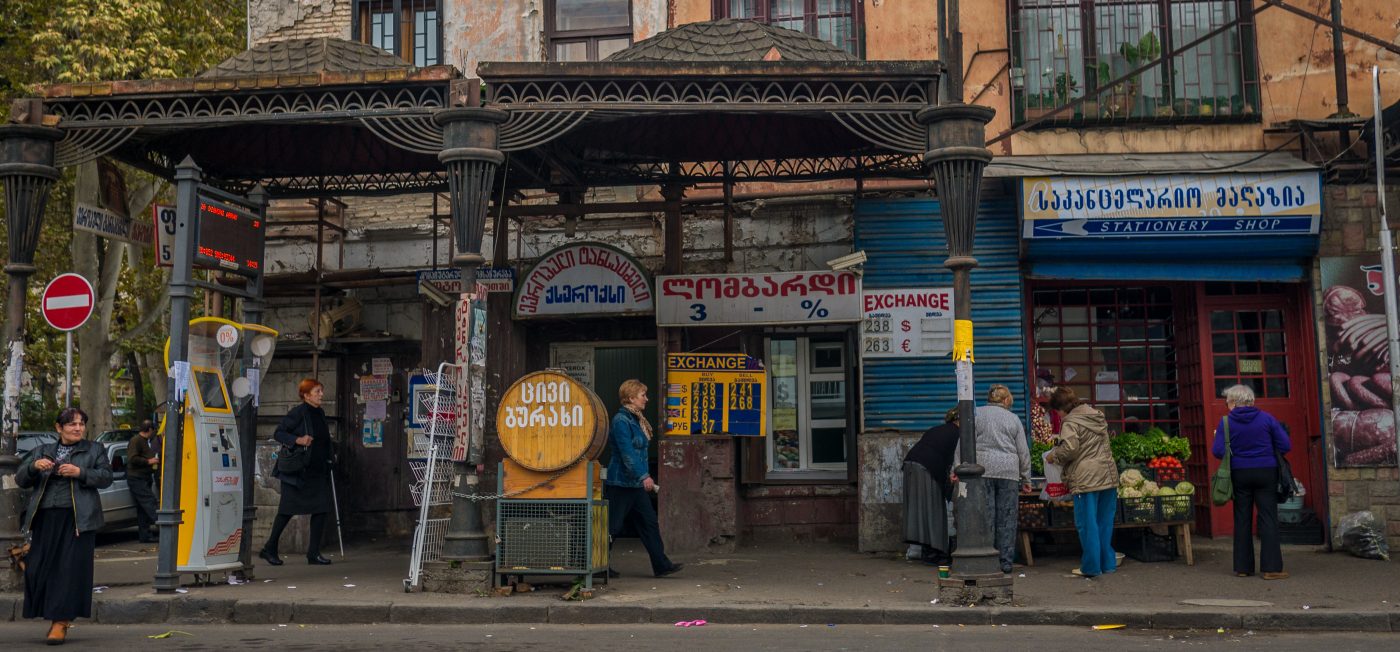
Tourism in Georgia has only expanded rapidly since around 2008, so it still retains a strong sense of spontaneity and individuality. Infrastructure can be uneven and roads chaotic, but Georgia remains affordable, rewarding, and deeply distinctive. Backpackers can travel comfortably on a modest budget, while boutique hotels and beautifully designed guesthouses increasingly cater to travelers looking for comfort alongside culture.
The Republic of Georgia is utterly charming, and I’d wholeheartedly recommend adding it to a longer Caucasus or Central Asia trip—or visiting it entirely on its own.
Things to Know Before Traveling to the Republic of Georgia

Georgia still feels like a place where travel unfolds imperfectly and organically. Marshrutkas leave when full, mountain drives take longer than expected, and conversations with strangers regularly derail your plans in the best possible way.
Located along the Caucasus Mountains, Georgia sits at a historic crossroads between Europe, Asia, Russia, Turkey, and the Middle East. Once a stop along the Silk Road, the country became a meeting point for cultures, religions, and empires over many centuries.
People still debate whether Georgia is part of Europe or Asia depending on who you ask. But the actual feel—especially in Tbilisi—is surprisingly European, just layered with a very different history and cultural identity.

Part of what makes Georgia so fascinating is the sheer amount of history packed into such a small country. Wine is central to Georgian culture, and archaeologists discovered some of the oldest known evidence of winemaking here. Traditional qvevri winemaking using giant buried clay vessels is now recognized by UNESCO as an Intangible Cultural Heritage tradition.
Religion also remains highly visible in daily life. Georgia adopted Christianity in the first century, and churches and monasteries still dot the landscape from mountain ridges to city centers.
Recent history matters here too. Georgia was part of the former Soviet Union and still has a complicated relationship with Russia, particularly surrounding the occupied regions of South Ossetia and Abkhazia.
You don’t need to arrive with a deep understanding of Georgian politics or history, but having some context adds depth to the experience—and helps explain the strong sense of national identity you’ll encounter while traveling.


Who Will Love Traveling in Georgia?
Georgia is not polished in the way Western Europe often is. Sidewalks suddenly disappear, marshrutkas leave when full rather than on strict schedules, and mountain drives can feel mildly terrifying. But that unpredictability is also part of the country’s charm. Travel here still feels spontaneous rather than overly polished.
Travelers looking for polished infrastructure or ultra-efficient transportation may find parts of Georgia frustrating. But for travelers who enjoy warmth, character, and a bit of unpredictability, it’s one of the most rewarding countries I’ve visited.
Georgia is a particularly good fit for travelers who enjoy:
- café culture and slow travel
- mountain scenery and trekking
- food and wine
- destinations that still feel relatively undiscovered
- balancing affordability with comfort
- places with strong cultural identity and history

Georgia Travel Fast Facts
Georgia is an easy country to travel independently, even if parts of the infrastructure still feel a little rough around the edges. Tourism has grown rapidly over the past 15 years, but the country still retains much of the warmth and character that made travelers fall hard for it in the first place.
A few things worth knowing before you go:
- Language: Georgian uses its own unique alphabet and language family. Russian is still widely spoken, while English is increasingly common among younger Georgians and in tourist areas of Tbilisi and Batumi. Outside those areas, expect more language barriers—but also a lot of genuine effort and hospitality.
- SIM Cards & WiFi: Internet in Georgia is excellent. WiFi is common in cafés, guesthouses, and apartments, and mobile data is fast and affordable. I highly recommend getting a local SIM card on arrival—Magti tends to have the strongest coverage, especially outside cities. Bring your passport, since you’ll need it to register the SIM. And I occasionally used a VPN for client work while traveling there.
- Money: Card payments are widely accepted in Tbilisi, but carry cash once you leave the cities, especially for marshrutkas, mountain regions, and smaller guesthouses. ATMs are easy to find in cities, though they become less common in smaller mountain towns.
- Safety: Georgia generally felt very safe during my travels, including as a solo traveler wandering around Tbilisi and traveling independently through parts of the country. Violent crime against travelers is relatively uncommon, though petty theft can happen anywhere. The bigger thing I’d personally exercise caution around is road safety. Driving can feel chaotic, especially on mountain routes and long-distance drives. And stay informed about the Russian-occupied regions of South Ossetia and Abkhazia and avoid approaching border areas casually.
- Best Time to Visit: Spring and fall are ideal for most trips, especially for hiking. Summers can be very hot in Tbilisi, while winter is best for skiing in the Caucasus mountain regions.
- Festivals of Note: If you can time your trip for Tbilisoba in October, the city fills with folk dancing, wine, music, and regional food stalls and becomes one giant cultural celebration. English-language schedules can still be inconsistent, but the tourism board usually posts details closer to the event (check its Facebook).
- Water: Tap water is generally fine in Tbilisi and major towns, though most travelers still use bottled mineral water, which is inexpensive and widely available. Georgia is actually known for its mineral water, and I quickly noticed locals have strong opinions about their favorite brands.
- Visas & Long Stays: Georgia is famously generous with visa policies. Many travelers—including Americans and many EU passport holders—can often stay visa-free for up to a year. The country has also become popular with remote workers and digital nomads thanks to relatively easy long-stay options, decent internet, and a lower cost of living than much of Europe. Still, always double-check current entry requirements before traveling, since policies can change.

Georgian Food & Wine
Georgians are deeply proud of their cuisine—and rightly so. Meals here are less about rushing through dinner and more about gathering around a table for hours with wine, bread, cheese, conversation, and hospitality.
The food is hearty and comforting, with lots of cheese-filled breads like khachapuri, soup dumplings called khinkali, grilled meats, fresh herbs, walnuts, and salads. Vegetarian travelers can usually eat surprisingly well, though vegans and celiacs may find things trickier outside Tbilisi and other larger cities.
Georgia’s wine culture also runs remarkably deep. Traditional qvevri winemaking using giant buried clay vessels dates back thousands of years and remains an important part of the country’s identity today.
→ Read my full guide to Georgian food, wine, cafés, and vegetarian travel in Georgia.
Practical Tips for Traveling Georgia
Where to Stay in Georgia
Georgia has accommodation at nearly every budget level now, from backpacker hostels to stylish boutique hotels and family-run guesthouses.
In Tbilisi, I especially liked staying near Old Town and the river, where most of the city’s atmosphere, cafés, bathhouses, and major sights are concentrated. Many guesthouses still feel genuinely personal rather than corporate, and hospitality remains a real part of the travel experience here.


Getting Around Georgia
Georgia is relatively easy to travel independently, though transport can still feel a bit rough around the edges.
Marshrutkas (shared minibuses) still connect most cities and towns cheaply and efficiently, though they can be cramped and chaotic on longer rides. Marshrutkas also rarely leave exactly on schedule—they usually depart once full—so build flexibility into longer travel days.
Georgia’s rail network is limited but often far more comfortable when available, especially for longer journeys.
Driving conditions can also be unpredictable and travel times in the mountains are often much longer than they appear on a map. Georgia has high road accident rates compared to much of Europe, and mountain roads can be intense. Wear a seatbelt and use extra caution on long-distance drives.
Within Tbilisi, Bolt works well and is very affordable. If you’re traveling with others, hiring a private driver between destinations can also be surprisingly reasonable and much more comfortable for longer journeys. Check Bookaway for more detailed regional information on routes between cities.
How Expensive Is Georgia?
Georgia is no longer the ultra-budget destination it was a decade ago, especially in Tbilisi, but it still offers very good value compared to much of Europe.
You can still eat extremely well here without spending much. A casual meal of khachapuri, salads, dumplings, and wine might cost less than a single entrée at a midrange restaurant in Western Europe, and I regularly found myself ordering far more food and wine than intended simply because everything was so affordable and the meals stretched for hours.
Budget travelers using marshrutkas, guesthouses, and simple local restaurants can still travel comfortably on roughly €35–50 per day, while midrange travelers willing to spend a bit more can afford boutique hotels, wine tastings, and private drivers for far less than they’d cost in places like France or Italy.
Tbilisi has become noticeably more expensive and polished in recent years, particularly in trendier neighborhoods and café-heavy areas. But outside the capital especially, Georgia still strikes one of the better balances I’ve found between affordability, comfort, culture, and genuinely memorable food.
travel tip
World Travel Planning Resources
From the best travel gear to how to pick travel insurance—a detailed list of resources, tips, and advice to help you plan an amazing trip.


Pre-Trip Reading & Listening

Books
- The Caucasus: An Introduction: If you read only one book before visiting Georgia or the wider Caucasus region, make it this one. It’s an accessible but thoughtful look at the region’s history, politics, and cultural complexity.
- The Eighth Life: A sweeping multi-generational novel that follows one Georgian family through the upheavals of the Soviet and post-Soviet eras. Long but immersive, and one of the best modern literary windows into the region’s history and identity.
- One More Year: A fascinating collection of stories from across the collapsed Soviet Union that offers insight into the everyday realities and lingering cultural aftermath of that era.
- Georgian Folk Tales: A fun and surprisingly illuminating introduction to Georgian storytelling traditions and cultural history.
Longreads & Listens
- A Pilgrimage to the Cradle of Wine: An excellent longread on Georgia’s ancient winemaking traditions and why wine remains so central to Georgian identity.
- Adjika: Sauce of Glory, Pride of Abkhazia: A fascinating piece exploring regional identity and history through one of the Caucasus region’s defining foods.
- Global Dancefloor: Tbilisi (BBC): A fascinating look at Tbilisi’s underground techno scene and how nightlife became intertwined with youth culture, identity, and modern political expression in Georgia. An interesting counterpoint to the country’s deep religious and traditional roots.
Don’t forget to book travel insurance for your trip—a great policy provides coverage in case of medical emergencies, lost or stolen gear, adventure sports riders, and more. I’ve used IMG Global for more than a decade highly recommend it!
My 5 Favorite Georgia Travel Experiences

Georgia packs a surprising amount of diversity into a relatively small country. Beyond Tbilisi, there are mountain regions like Svaneti and Kazbegi, wine country in Kakheti, monasteries carved into remote hillsides, and Black Sea towns with entirely different rhythms and personalities. These ended up being some of my favorite experiences from traveling around the country.
Wandering Old Town Tbilisi With a Camera in Hand
The patchwork architecture of Old Tbilisi is reason enough to visit. Intricate balconies sigh from tired buildings. Cobbled streets ramble through historic neighborhoods. Quiet courtyards and ephemeral smiles form the bedrock of my memories. Each morning I leapt from bed, energized by the idea of wandering adrift on the streets of Tbilisi, camera in hand.
Tbilisi won me over slowly. One balcony. One hidden café. One conversation. One long afternoon at a time.
Climbing Behind David Gareja Monastery for Views Into Azerbaijan

David Gareja remains one of my favorite day trips anywhere in Georgia. The monastery itself is beautiful, but the moment that has stayed with me all these years came after climbing the ridge behind it.
Bristling in the cold air, I stopped short as Azerbaijan suddenly stretched out below—a huge flatland plain awash in muted greens and browns all the way to the horizon. As I stood taking it in, two eagles emerged from the mountainside and soared into the sky, their massive wingspans casting shadows on the land below.

Losing Entire Afternoons in Tbilisi’s Cafés
One of the things that surprised me most about Tbilisi was its café culture. During my stay, I slipped easily into a rhythm of books, tea, wine, and people-watching.
The city balances old-world wear and tear with an unexpectedly creative energy. Some afternoons disappeared into sidewalk cafés overlooking the river. Others ended in wine bars or conversations that stretched long past sunset. Like much of Georgia itself, Tbilisi encourages lingering.
Listening to Polyphonic Singing Beneath Mother Georgia

I expected the view from Mother Georgia. I didn’t expect the music.
One chilly evening, as I approached the statue, a throaty tenor drifted across the darkness and was soon joined by lighter voices singing in harmony. Lit softly above the city, Mother Georgia towered overhead while the melodies echoed across the hillside.
Eventually curiosity overcame my shyness. I wandered closer and was immediately welcomed into the group. Someone handed me a beer. Someone else offered snacks. We sat together beneath the statue while they sang, talked, laughed, and shared stories.
The city lights flickered below. Church steeples poked through the darkness. The songs rose and fell around us.
Saying Yes to Georgian Hospitality
More than the churches, mountains, food, or wine, what stayed with me most was the people.
After I posted a photo from Tbilisi online, a local woman named Teo reached out to welcome me to her city. When I admitted that I hadn’t yet tried much Georgian wine, she quickly arranged to fix that oversight. Over many glasses of wine and many hours of conversation, we swapped travel stories and talked about life in Georgia.
Experiences like that happened again and again. Hospitality wasn’t something reserved for tourists—it felt woven into everyday life.
As I left the country, it was that feeling of welcome that lingered most strongly.
Georgia lingered with me long after I left—not because of a single landmark or dramatic moment, but because of the overall feeling of the place. The warmth of the people, the layered history, the long meals, the mountain landscapes, and the slightly unpredictable rhythm of daily life all combined into something memorable. It’s a country that rewards curiosity, patience, and travelers willing to slow down a little.
If you’re planning a trip beyond Tbilisi, I also have guides to Georgian food and wine, day trips from the capital, and traveling independently through regions like Svaneti and Kakheti.